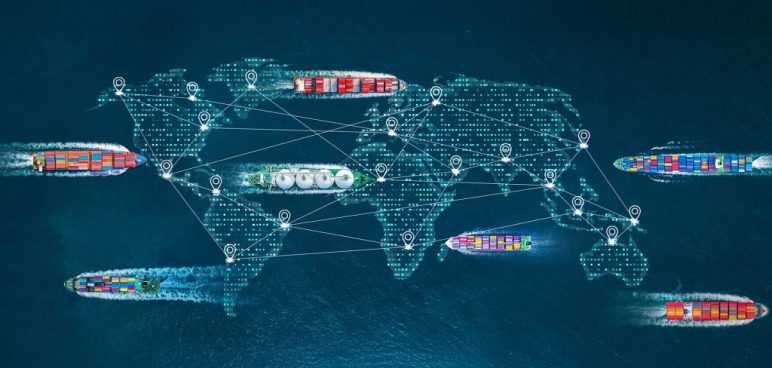
The evolving landscape of global trade is undergoing a significant transformation as it shifts from a unipolar system dominated by the United States (U.S.) to a multipolar framework characterized by the emergence of new economic powers, particularly China, India, and Brazil. This transition is not just a mere change in economic dominance; it heralds a profound restructuring of trade patterns influenced by the establishment of strategic alliances such as BRICS+ and the Regional Comprehensive Economic Partnership (RCEP).[1] As these nations assert their influence, the balance of power within the global trade ecosystem is being recalibrated, prompting a reevaluation of established norms and practices.
Concurrently, advancements in technology are playing a pivotal role in this transformation, with digital trade revolutionizing how goods and services are exchanged, fintech innovations…

