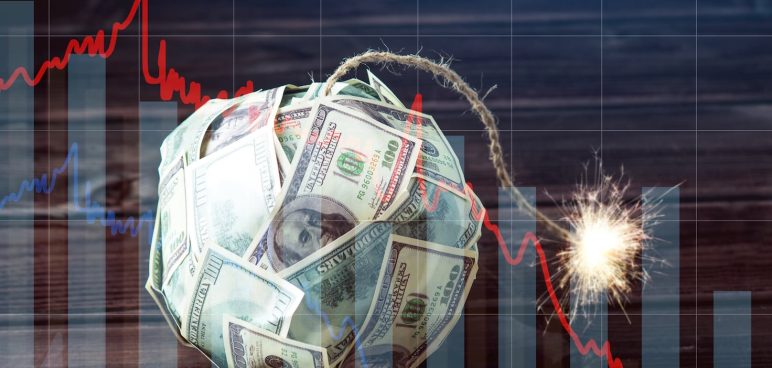
When a country imposes tariffs, its national currency has typically been found to strengthen according to a study performed by the International Monetary Fund. However, after President Trump announced far steeper “reciprocal” tariffs than had been expected on what he called ‘Liberation Day’, not only did the stock markets take a nosedive, but so too did the US dollar.
The dollar surged after Trump won the 2024 presidential election in November as investors expected economic growth on the back of deregulation and tax cuts. It peaked at over 190.6 on the index that tracks the value of the dollar against six major currencies.
However, since Trump’s inauguration the dollar has weakened, taking a major plunge when he announced he would impose tariffs on Canada, Mexico and China and another that began on Wednesday. It is currently at just above 102 on the index.

