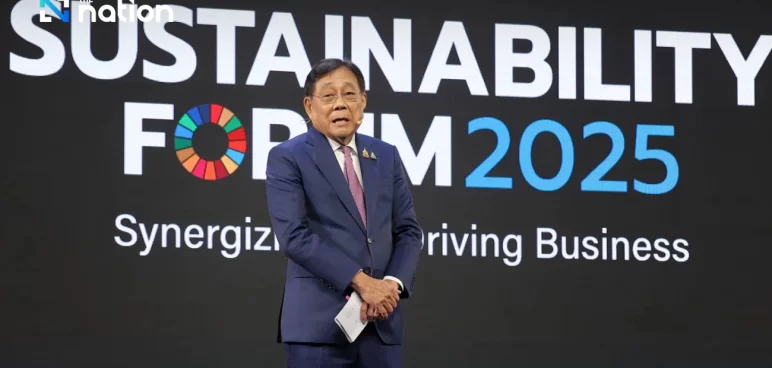
Pichai emphasised that while VAT increases might be challenging, they could serve as a crucial tool for reducing economic inequality. The proposed reforms are part of a broader strategy to create a more sustainable and equitable economic environment.
The Office of Fiscal Economics (OEF) and the Revenue Department have been tasked with conducting a detailed study of these proposed changes. Pichai has personally overseen the initial stages of this comprehensive tax-reform initiative.
International comparisons reveal the context of these proposed changes. While Thailand currently collects 7% VAT (against a prescribed 10%), neighbouring Singapore charges 9%, and European countries typically range around 20%.
The government says its proactive approach signals a commitment to modernising Thailand’s tax system, balancing…

