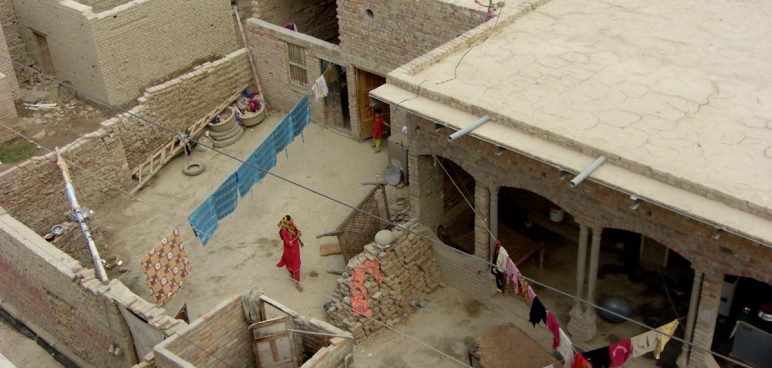
A woman working outdoors faces a different kind of heat from one cooking over a stove inside a tin-roofed house that has absorbed the day’s sun.
Understanding this variation has become a central concern for Jai Kumar Das in Karachi. At Aga Khan University, Das is associate director of the Institute for Global Health and Development and associate professor of paediatrics.
He and his colleagues are following thousands of pregnant women in rural Pakistan, measuring their personal heat exposure. At the same time, they are testing practical ways to reduce the temperatures people experience at home. Some of the most effective adaptation measures are surprisingly simple, it turns out.
This interview has been edited for length and clarity.
Jai Das: Initially, I focused on nutrition, infectious diseases, and maternal and child health. Over time, we realised that making long-term improvements…

