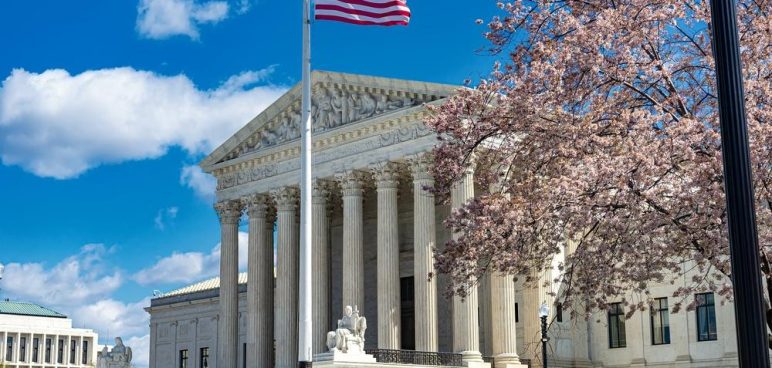
On June 28, 2024, the Supreme Court issued a landmark ruling in Loper Bright Enterprises v. Raimondo, which limited the power of federal agencies and put regulations across the government at risk by overturning the 40-year-old Chevron doctrine. Chevron had required judges to defer to an agency’s reasonable interpretation of ambiguous statutes within their ambit. But Loper Bright held that judges must exercise “independent judgment” when interpreting statutes, removing the flexibility agencies receive in exercising their statutory authorities. After Loper Bright, some experts predicted that a deluge of appeals would overwhelm the federal courts. Others expected a congressional response that would clarify the appropriate level of agency deference.
On July 14, Governance Studies at Brookings will host a panel discussion to assess Loper Bright’s impact two years later….

