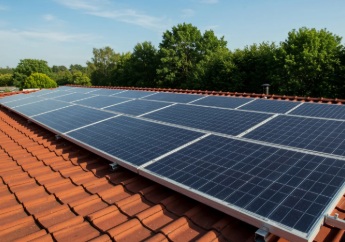
Distributed micro and mini power generation (MMGD, in the Portuguese acronym) is expected to grow by almost 50% in Brazil by 2030, according to projections by the National Electric System Operator (ONS).
The estimate is that this type of generation – almost entirely based on solar source – will jump from 47GW to 69.7GW in the period.
The growth of MMGD has positive aspects, such as increased autonomy and savings for consumers, and the democratization of access to clean energy sources.
On the other hand, this expansion brings challenges from the perspective of power grid operation, since MMGD is not directly controlled by the ONS.
The increase in curtailment, which are mandatory generation cuts imposed on centralized generation – especially wind and solar – reflects the growth of this modality. Broadly speaking, this happens because, during the day, there is excess…

