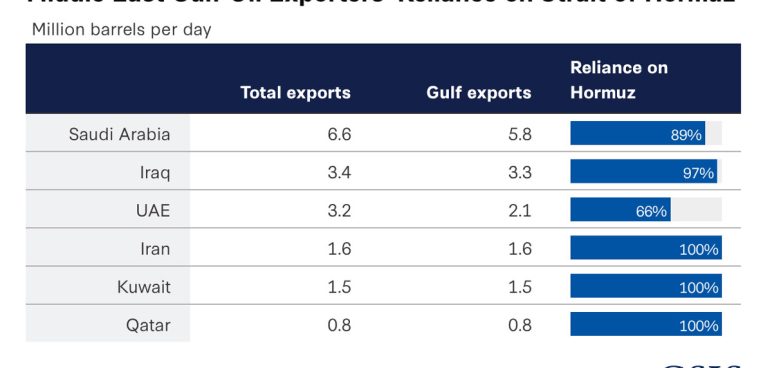
Tensions in the Middle East are bringing one of the global economy’s most sensitive flashpoints back into the spotlight: the Strait of Hormuz. About a fifth of the world’s oil and liquefied natural gas passes through this narrow sea corridor between Iran and Oman, and any disruption to traffic has the potential to trigger shockwaves in energy markets and the global economy. Tehran’s threats to close the route, OPEC+ reactions and price volatility bring back into question the scenario of a new oil crisis in a geopolitical context already marked by fragmentation and strategic rivalries.
In a world where energy remains a political weapon and an instrument of economic pressure, developments in the Persian Gulf may redefine the balance of power and stability of markets in 2026.
The price per barrel could exceed $100
“In the event of a prolonged disruption of supplies through…

