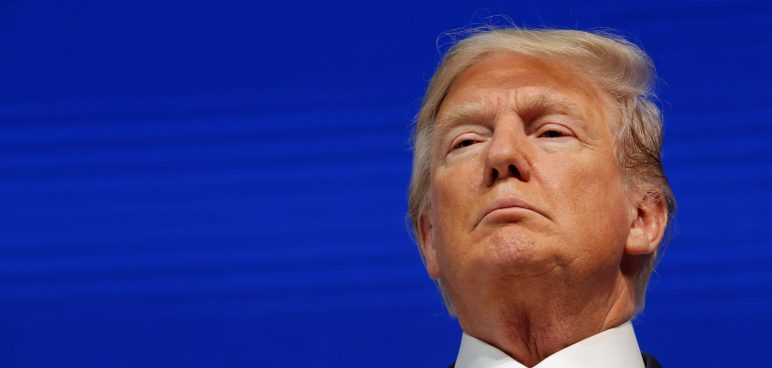
For the International Monetary Fund (IMF) and World Bank, the election of Donald Trump as US president in 2016 seemed to present an existential question. If their largest shareholder was going to be led by a tariff-wielding economic nationalist, what would it mean for the future of the multilateral financial architecture, of which they were a key part?
The answer, it turned out, was more benign than what had been feared at the time. Like its predecessors, the Trump administration quickly realized that the two institutions provided the United States with financial leverage to pursue its global objectives, including by assisting friendly countries that would otherwise depend mostly on Chinese lenders for support.
As a result, the collaboration between the two…

